
Deep Sky Astrophotograpy
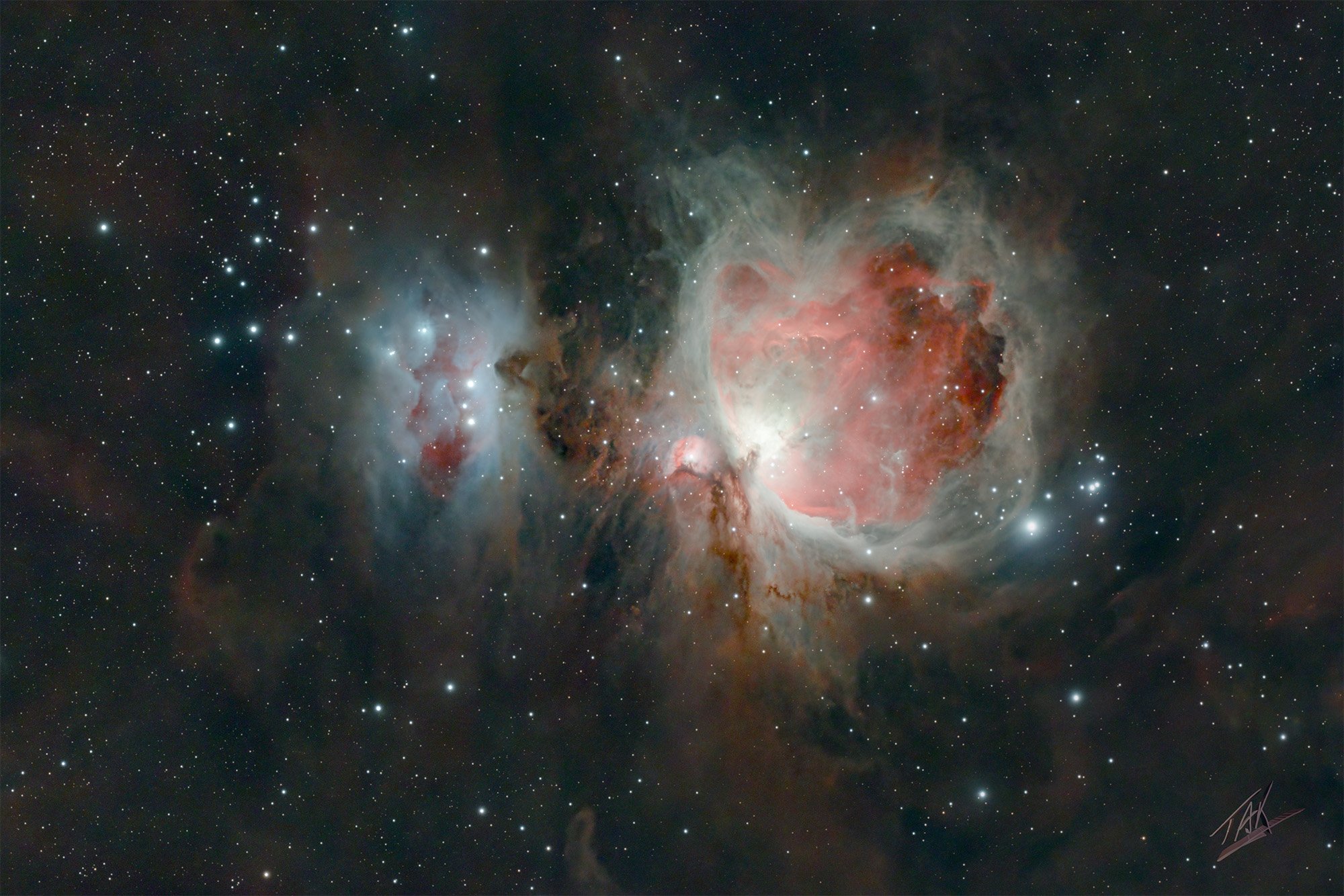
The Orion Nebula is visible with the naked eye even from areas affected by light pollution. This image is a stack of 126 two-minute long exposures.
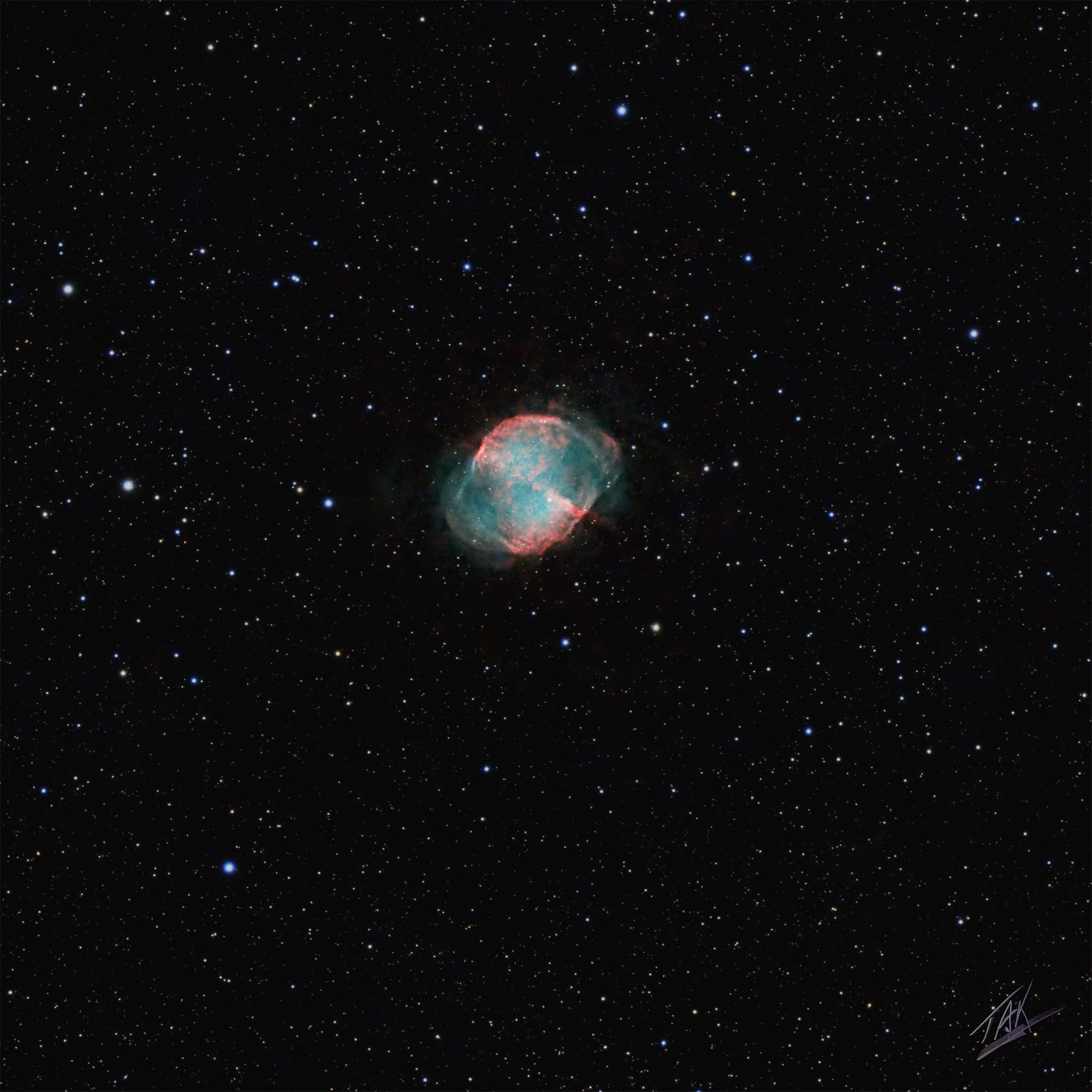
Messier 27 is also known as the dumbbell nebula. It is found in the Vulpecula constellation, just below the better know Cygnus constellation. It is 1,360 light years away, but bright enough to be seen with binoculars - if you can find it. This photo is from 60 three-minute exposures.
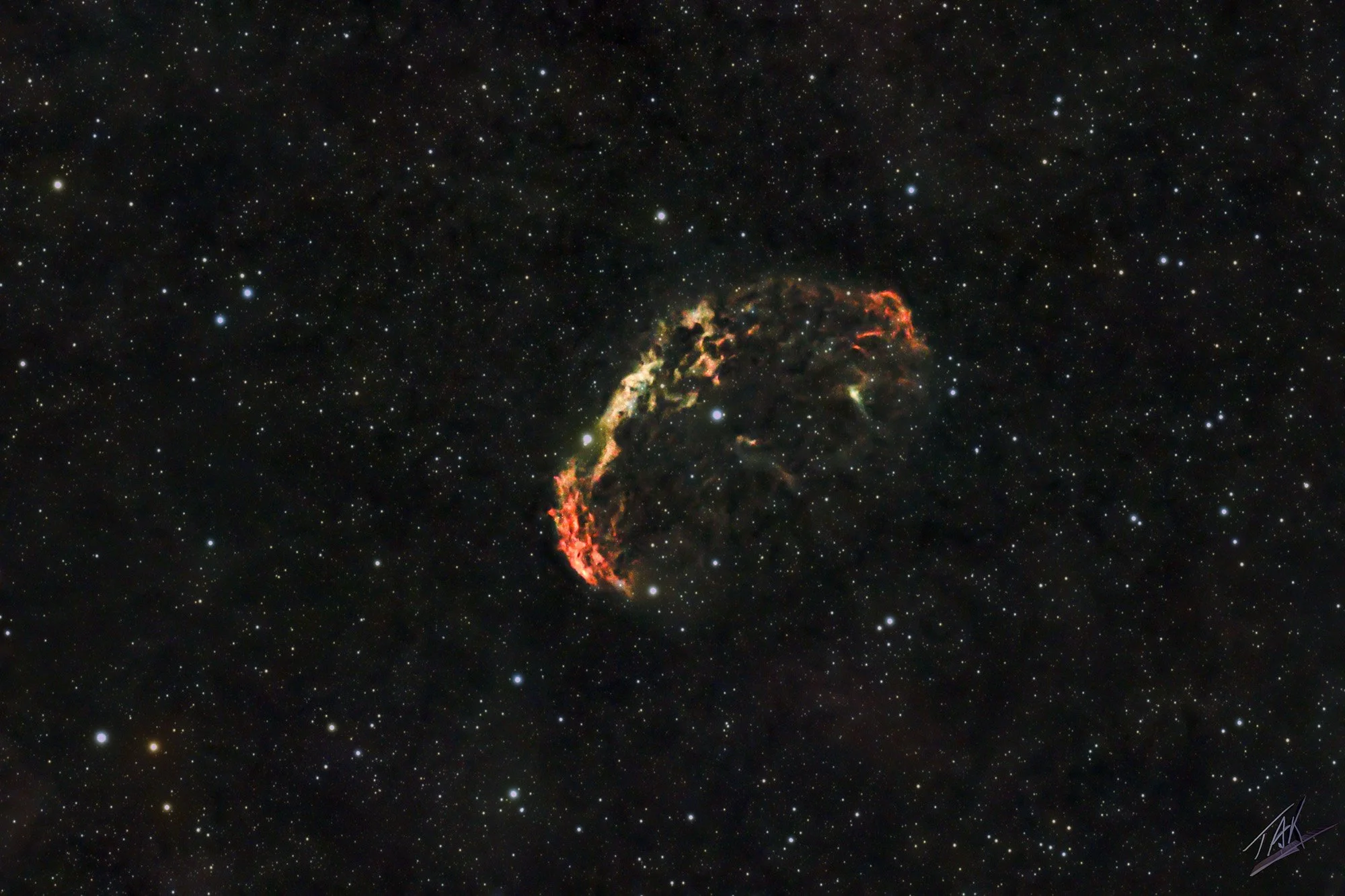
The Crescent Nebula, Caldwell 27, is an emission nebula in the constellation Cygnus, about 5000 light-years from Earth.
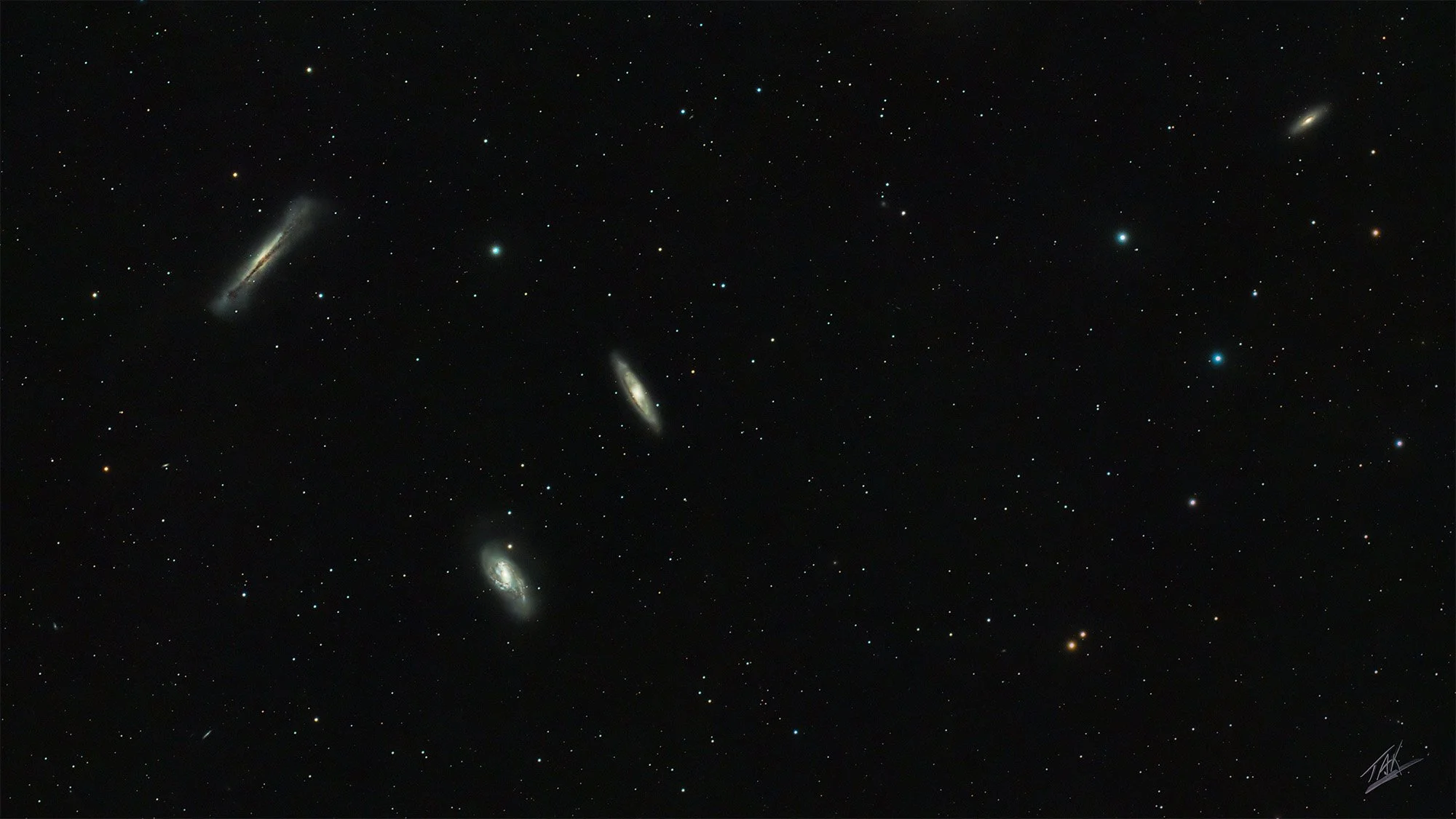
The Leo Triplet is a small group of galaxies about 35 million light-years away in the constellation Leo. This image was created from 47 five-minute long exposures. This was taken in my Fort Mill, SC yard January 16, 2026, between 2:30 and 7:00 AM.
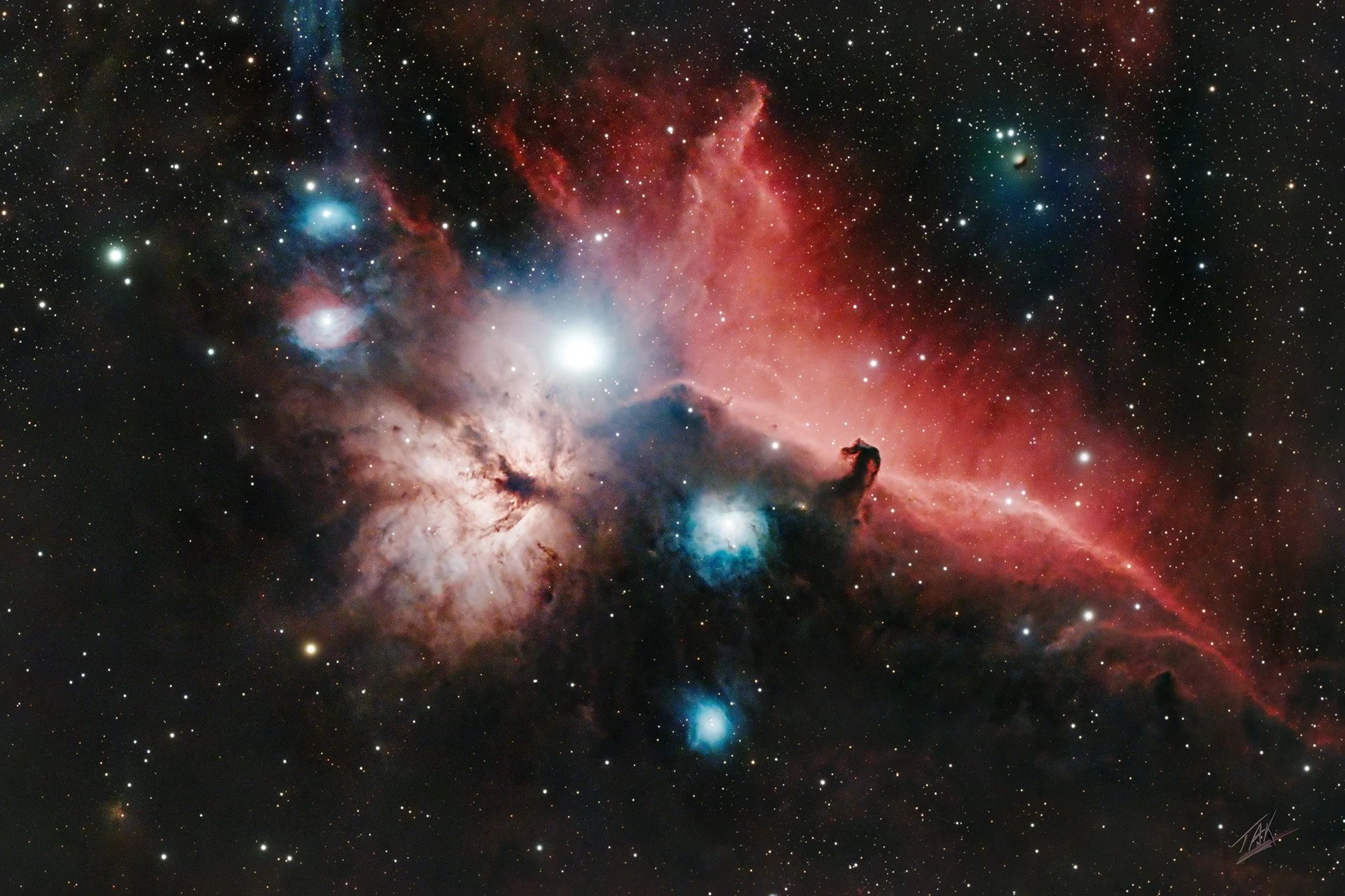
The Horsehead Nebula is a small dark nebula located about 1,375 light-years from Earth in the constellation of Orion.
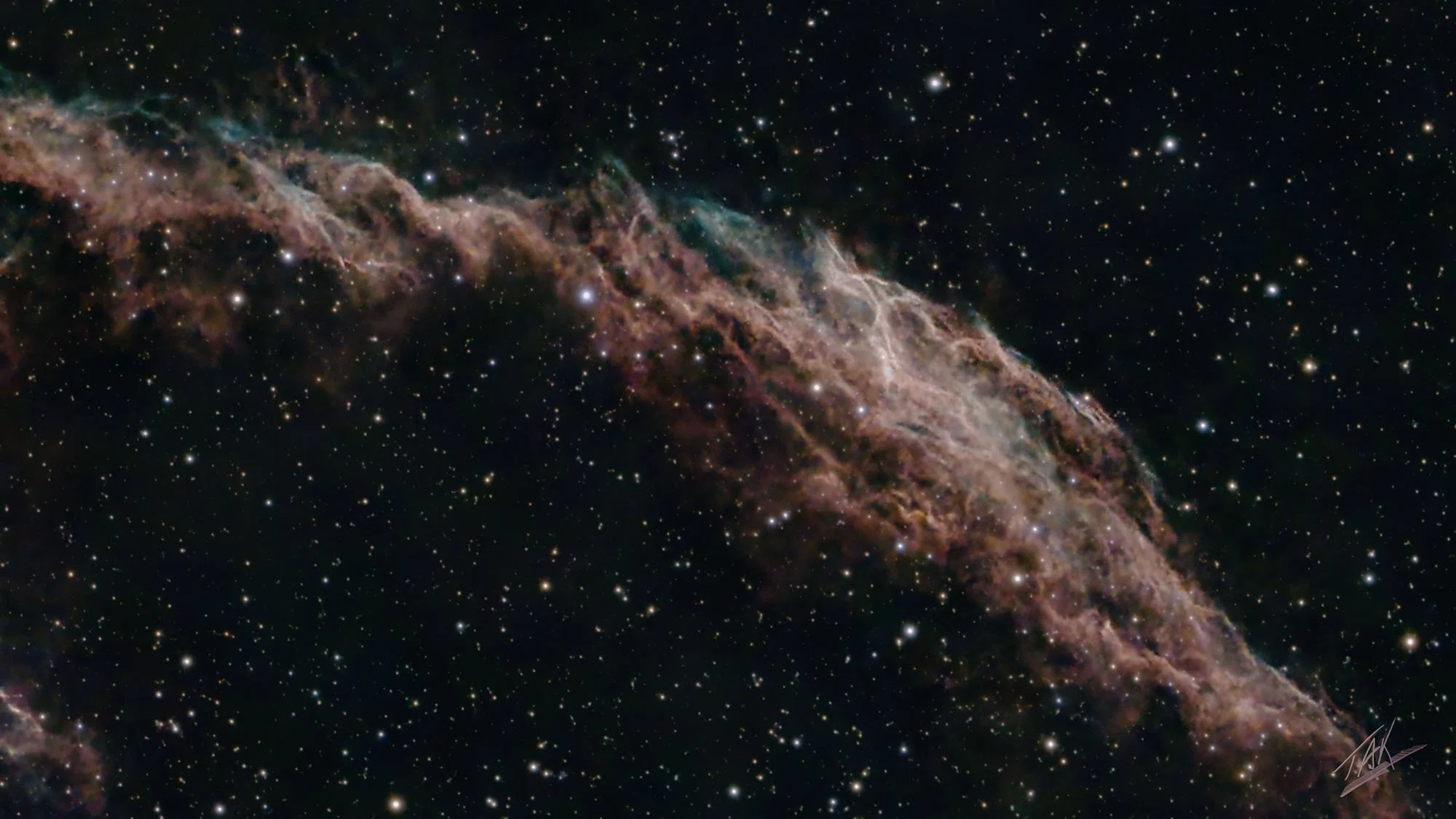
This is just slice of a larger nebula known as the East Veil. It is catalog NGC6992. There is a West Veil as well. This photo is from only 17 three-minute exposures in metro Charlotte skies. Just imaging how much better it can look under dark skies.
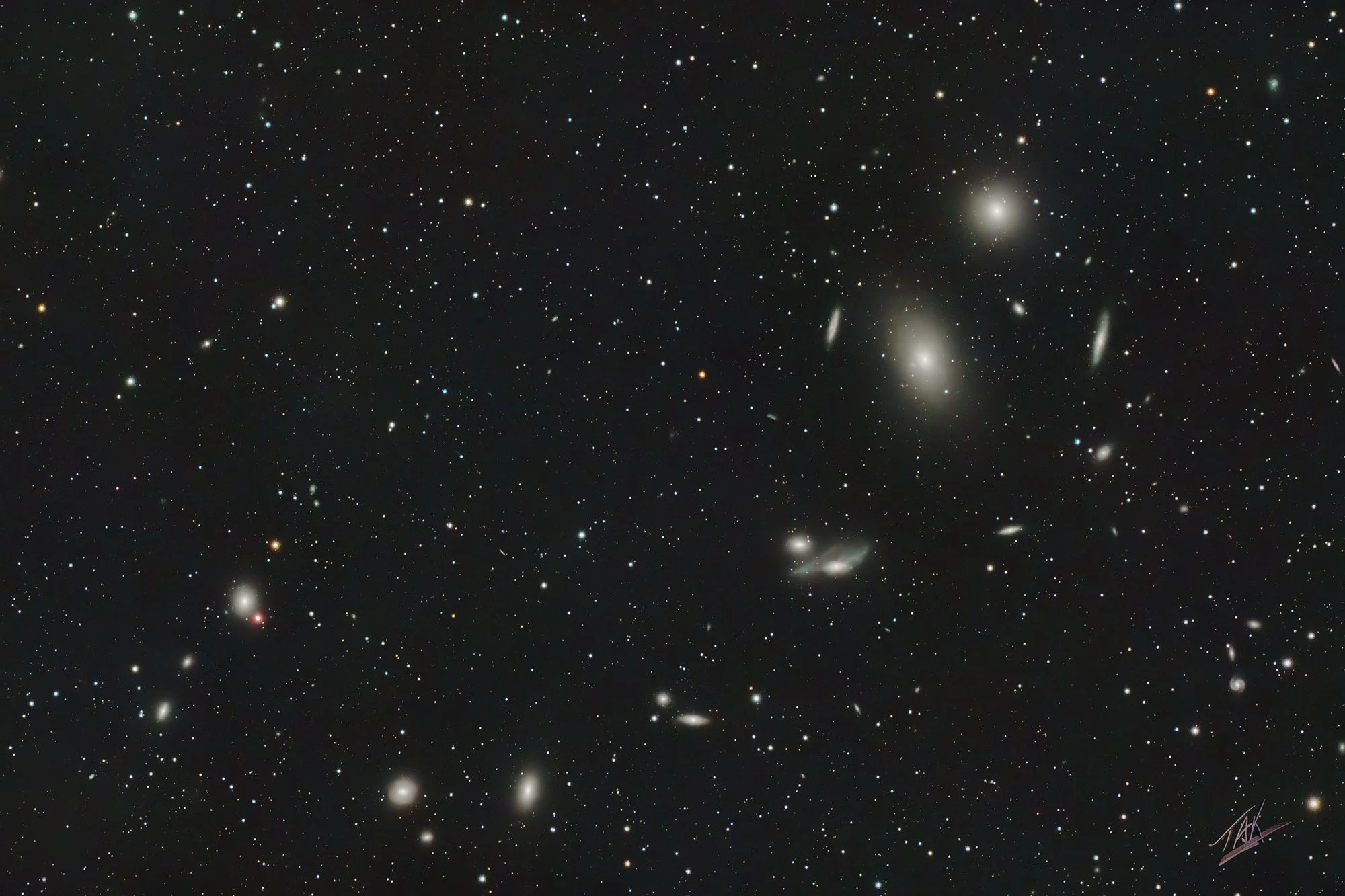
This amazing scene is called Markarian's Chain. It is a scattering of galaxies that is part of what is called the Virgo Cluster. How many galaxies can you count? This image is compiled from 41 five-minute long exposures.
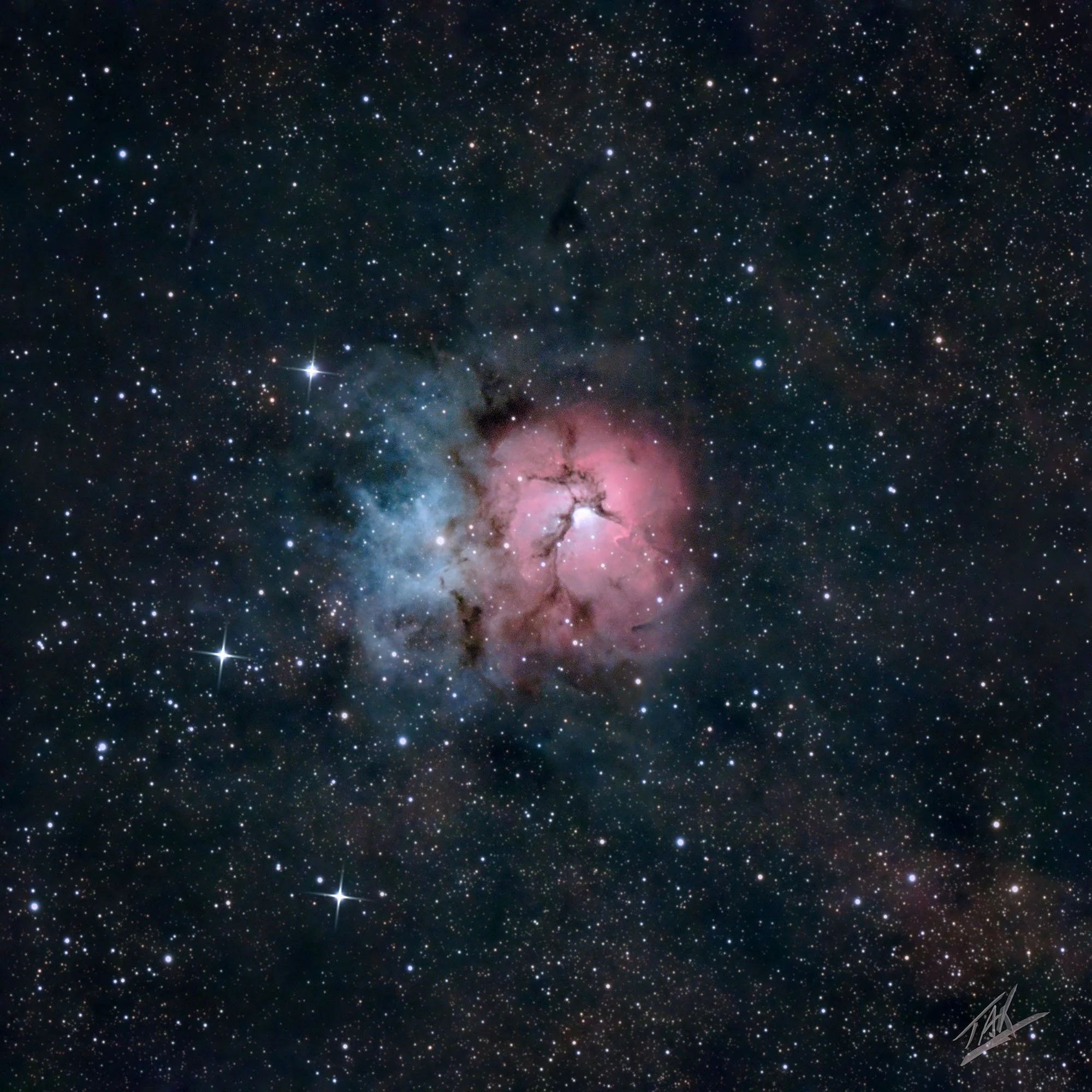
The Trifid Nebula is a relatively bright object catalogued as Messier 20. It is about 4,100 light years from Earth. The name means "three-lobe". This photo is created from 63 three minute exposures.
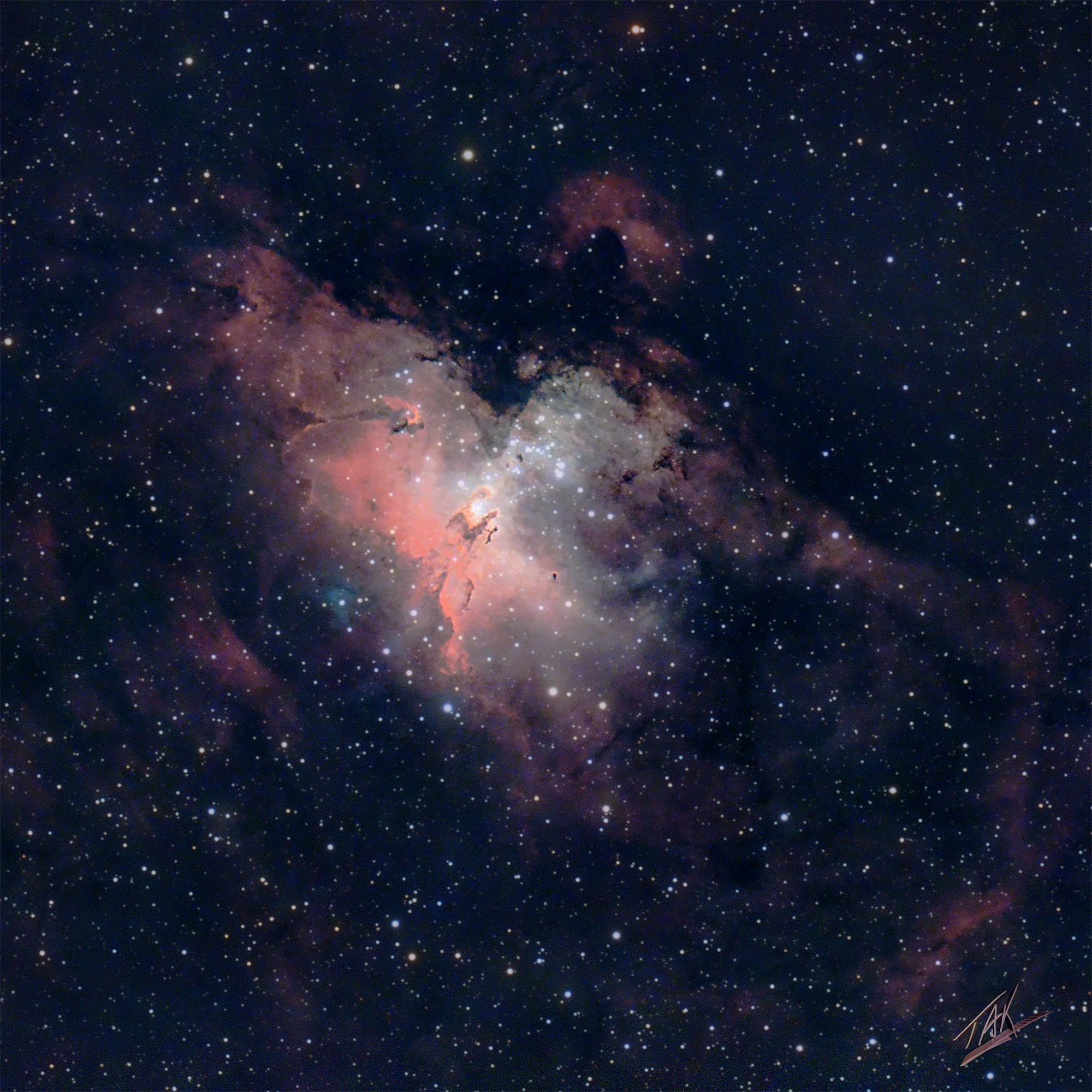
M16 is also known as the Eagle Nebula or Star Queen Nebula. It is an amazing site that gained much recognition from the Hubble Telescope image called "The Pillars of Creation". The nebula, lying in the Sagittarius Arm of the Milky Way, contains several active star-forming gas and dust regions. This photo was edited from a stack of 173 three minute exposures taken over two nights.
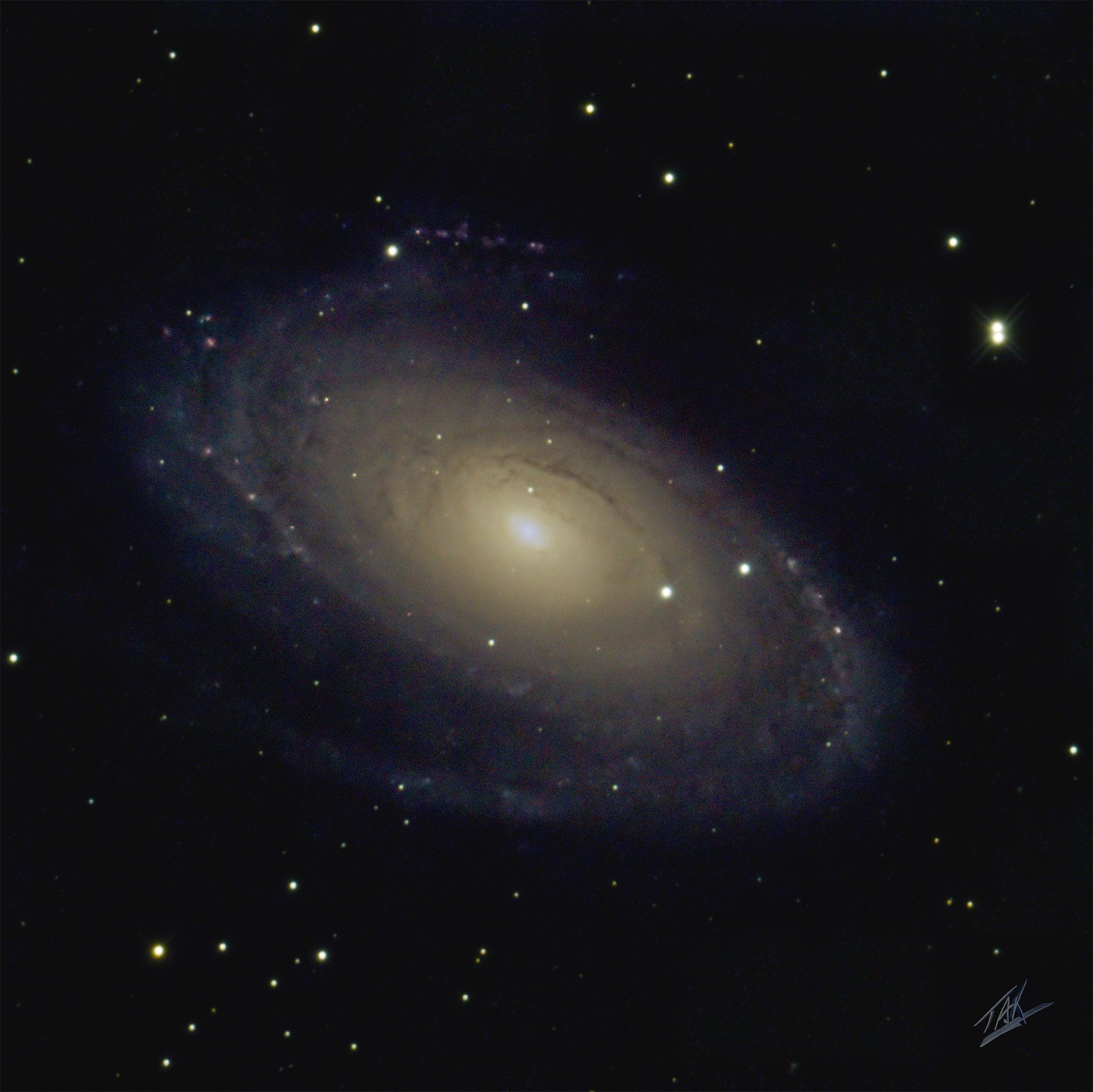
Messier 81 is also known as Bode's Galaxy. It is a grand design spiral galaxy about 12 million light-years away in the constellation Ursa Major. This image is compiled from 50 three-minute exposures.
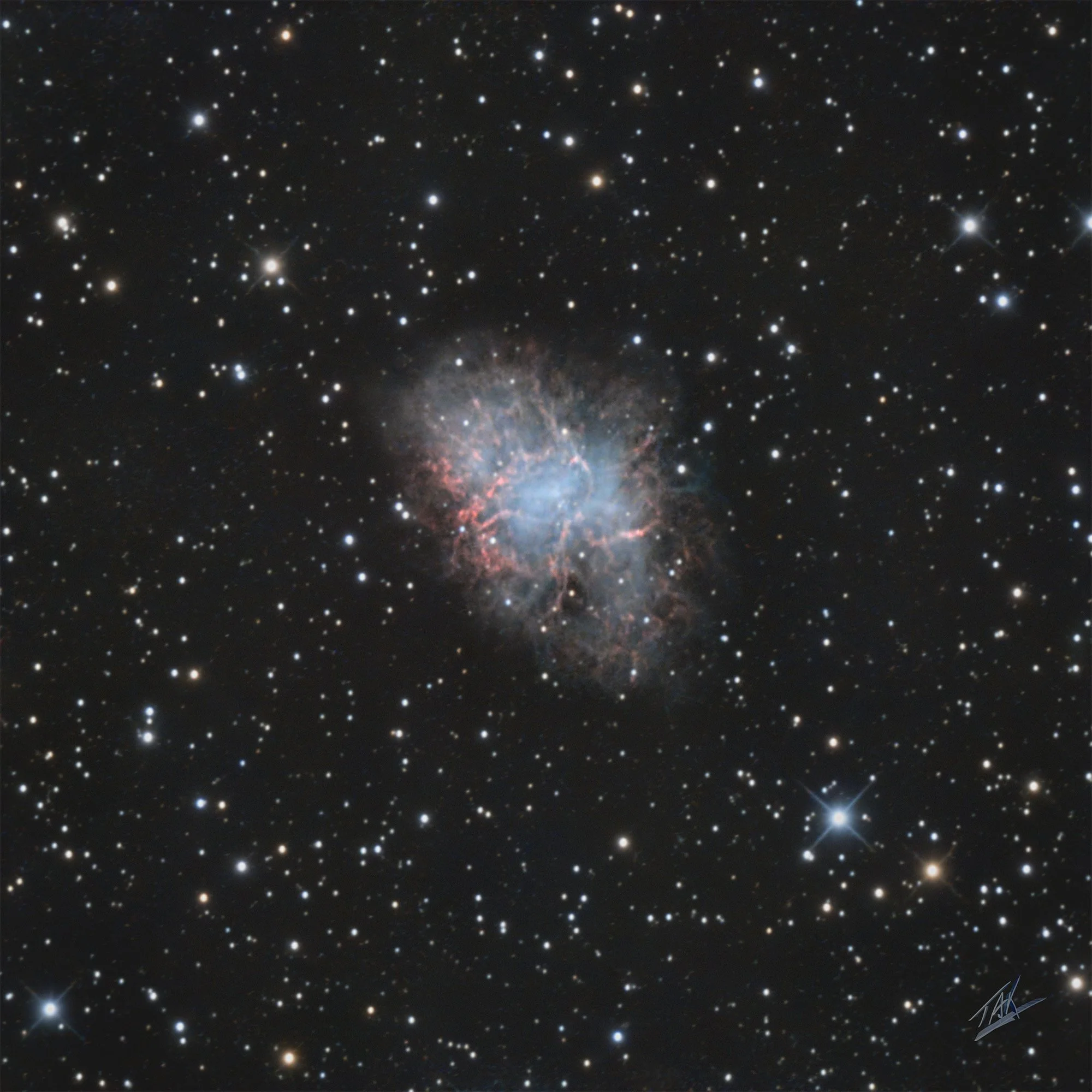
The Crab Nebula is a supernova remnant, a nebula from a long ago exploded star, in the constellation of Taurus. It is 6,500 light years from Earth. The image is made up of 63 three-minute exposures.
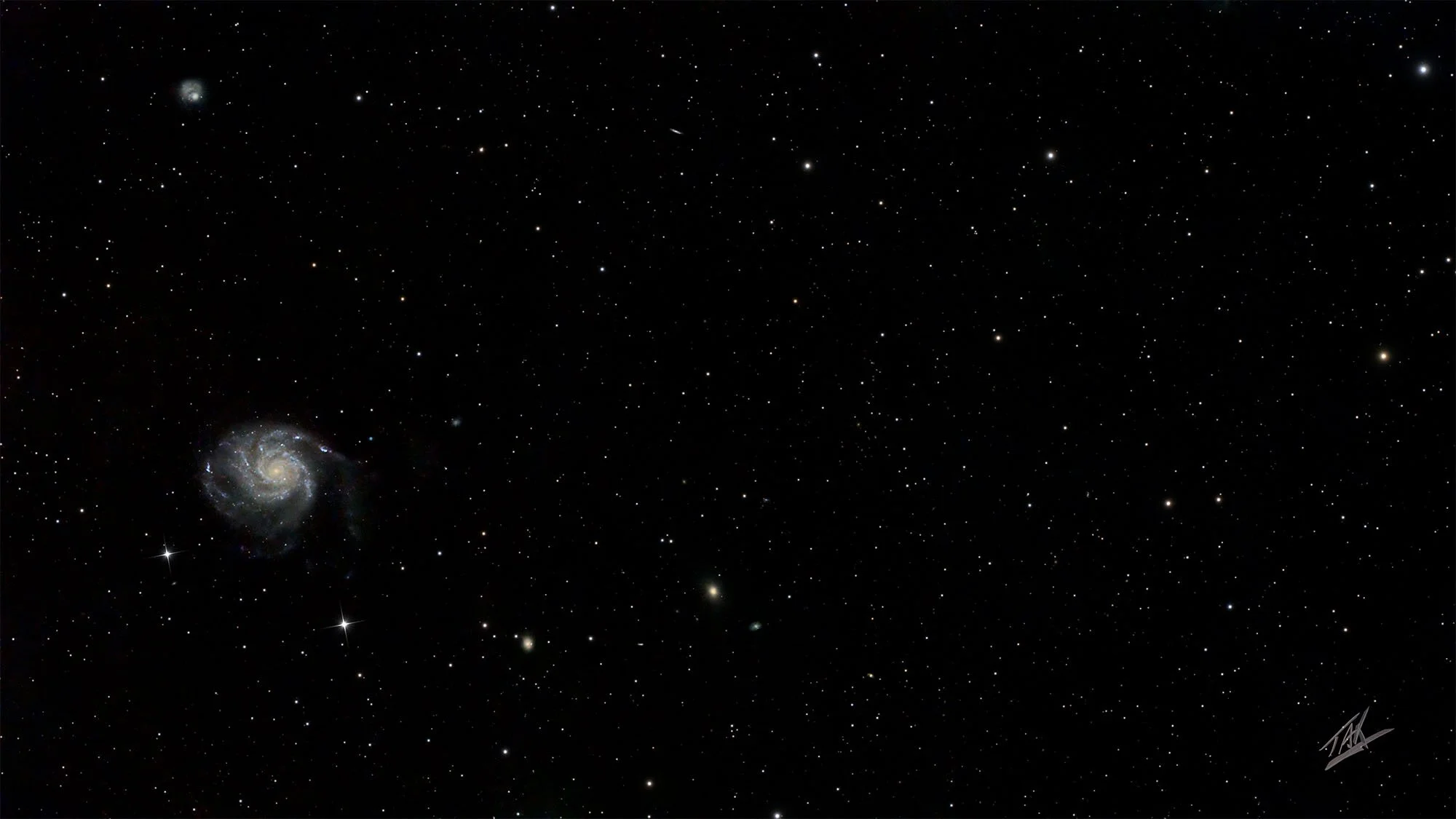
I really like this wide field view of the Pinwheel Galaxy in the M101 group in Ursa Major. Look closely and you will find more galaxies, all amazing, but none like the Pinwheel. It is 21 million light years from Earth. This photograph is processed from 70 individual three-minute exposures.
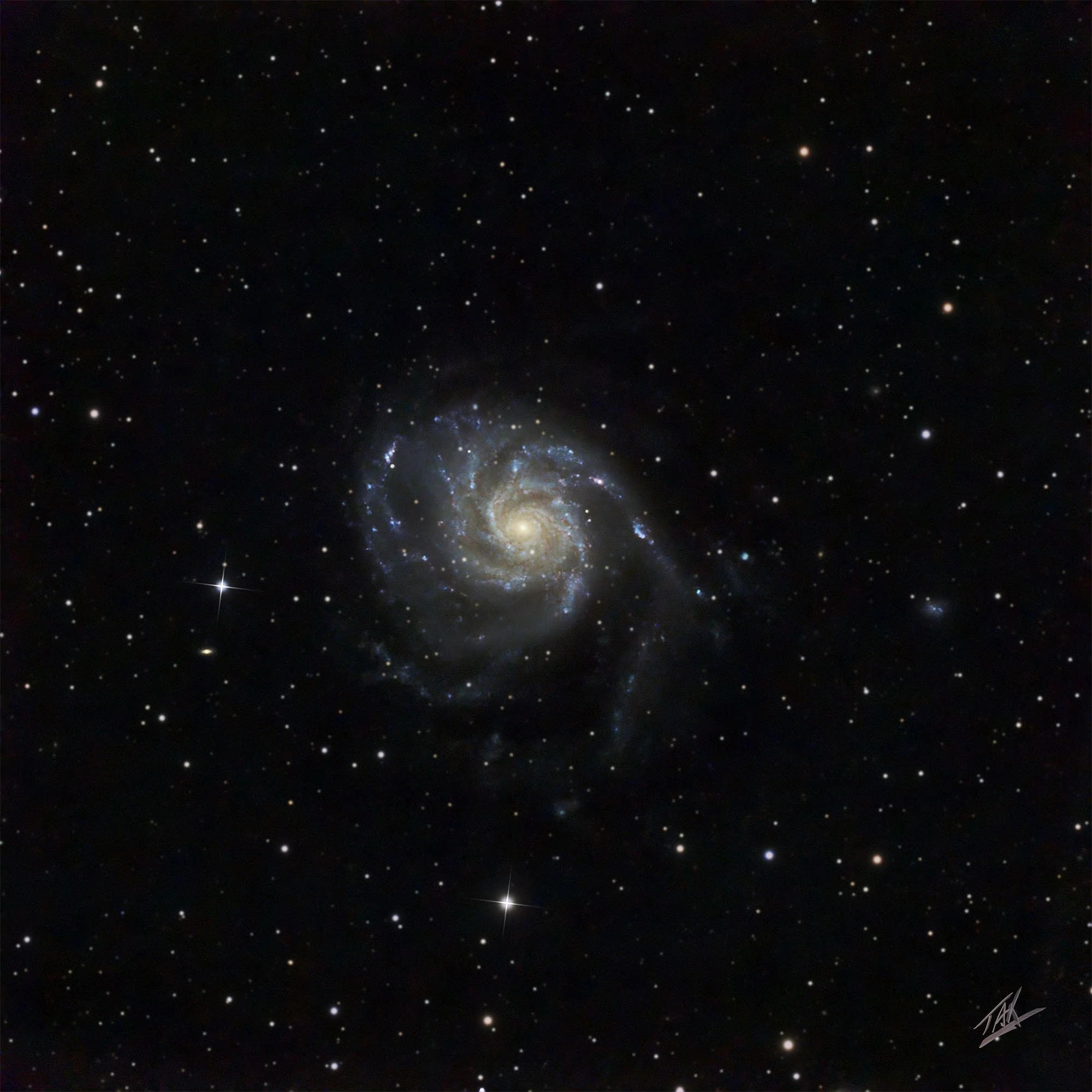
The Pinwheel Galaxy, also called M101 is an almost unbelievable image - what we might imagine as the perfect galaxy. Consider that all of the stars in the image are close to us by comparison - in our own Milky Way galaxy. M101 is a large galaxy, 252,000 light-years across. The Milky Way has a diameter of 87,400 light-years. Being far away and quite dim (22 million light years), this photograph was coaxed from 117 five-minute long exposures over two nights.
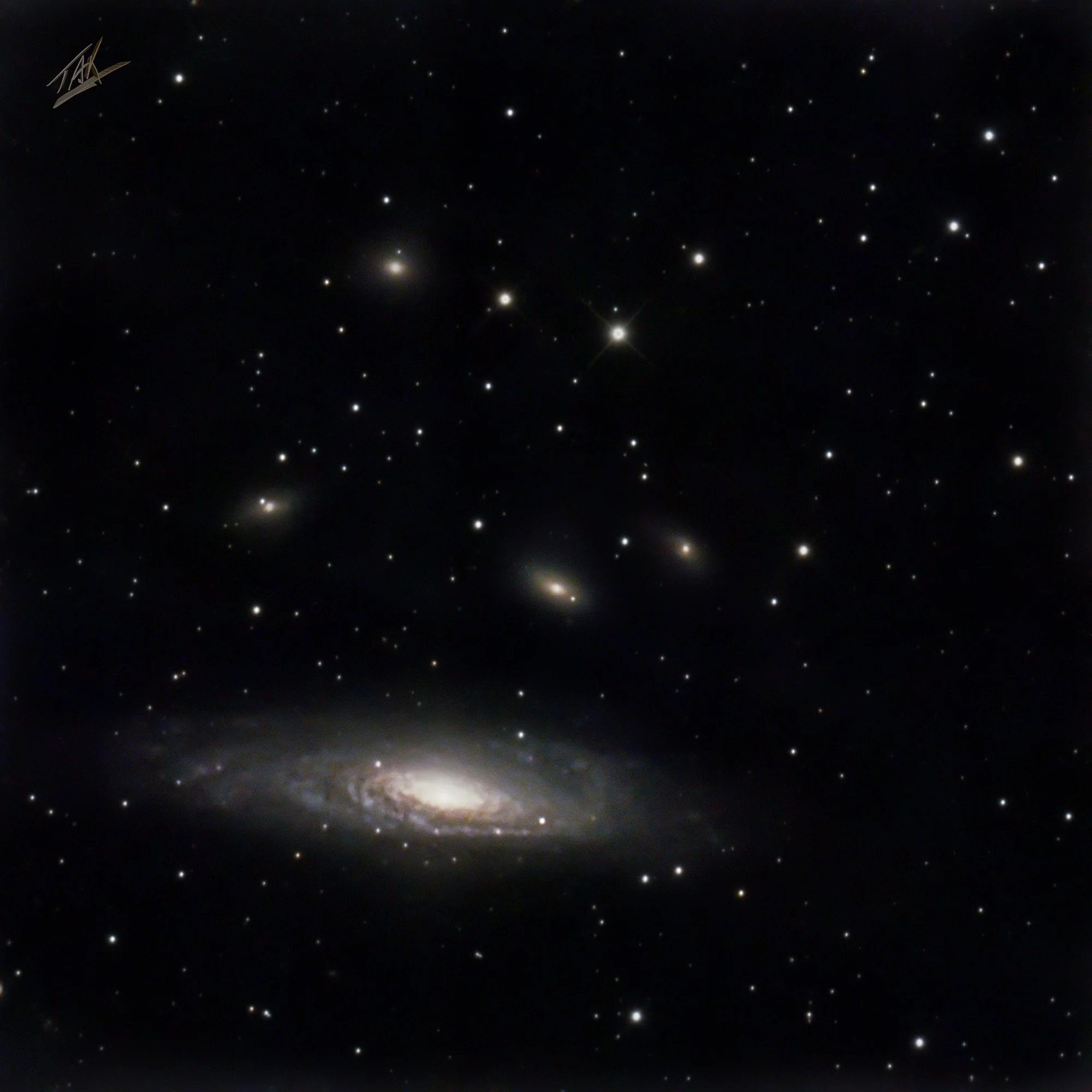
Caldwell 30 is an unbarred spiral galaxy about 43.79 million light-years away in the constellation Pegasus. This galaxy is similar in size and structure our home Milky Way galaxy.
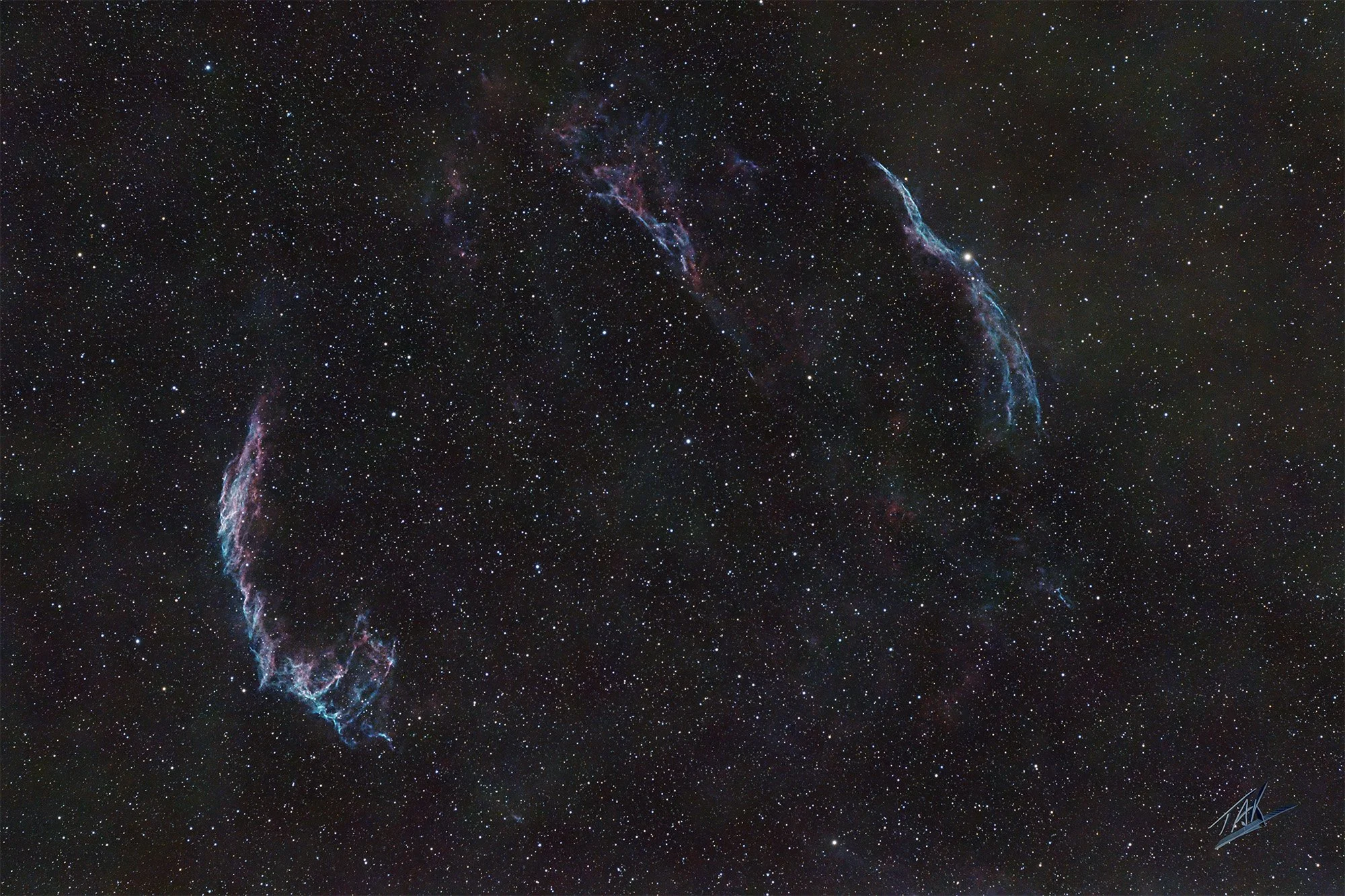
You really need darker skies to get the best photos of this ghostly Veil Nebula. It is cloud of heated and ionized gas and dust found in the constellation Cygnus. These East and West portions are what remain from a super nova, or explosion of a star 20 times more massive than the Sun. It is thought to have exploded between 10,000 and 20,000 years ago.
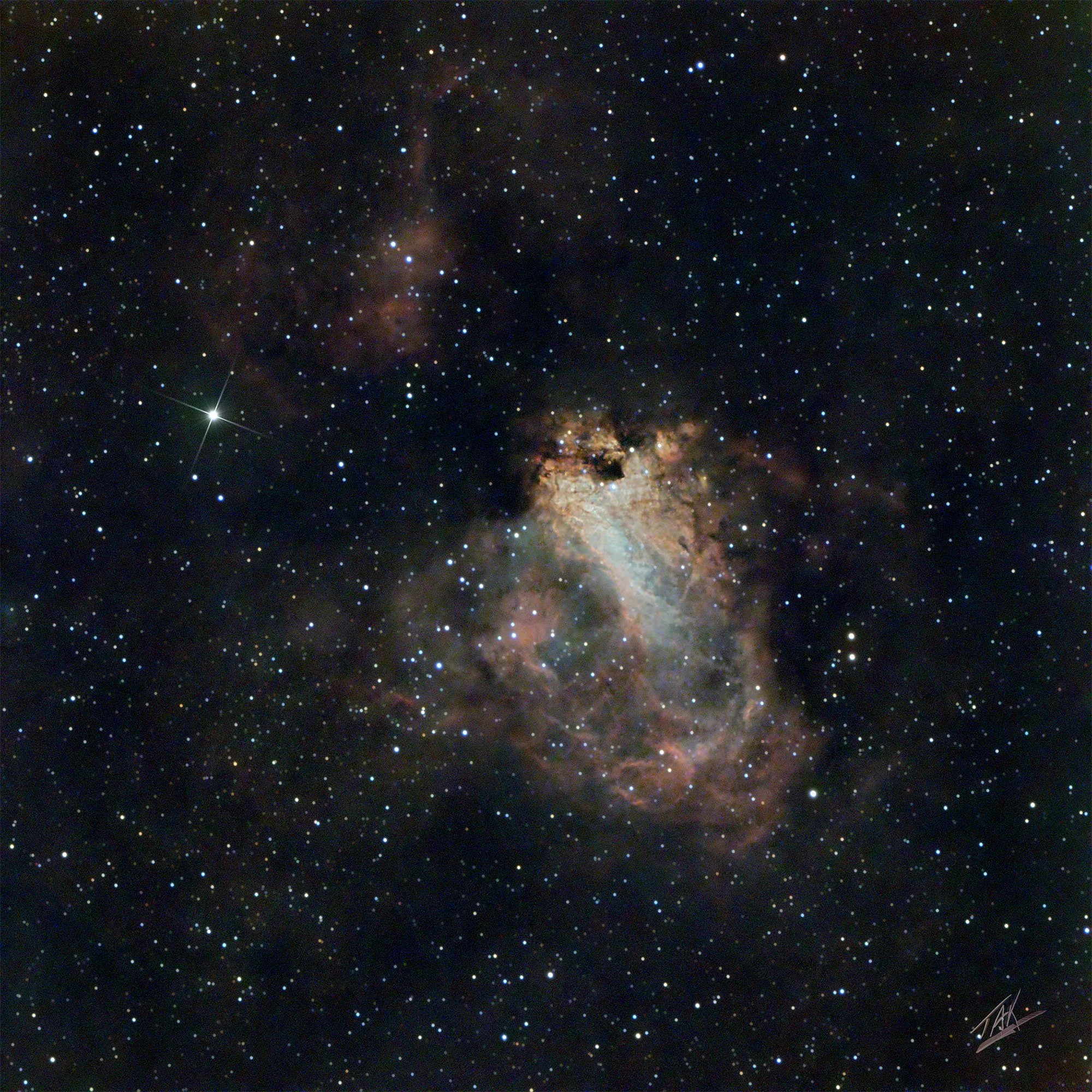
M17 is called the Omega Nebula. In a search for names it is also tagged the Swan Nebula, Checkmark Nebula, Lobster Nebula, and the Horseshoe Nebula.
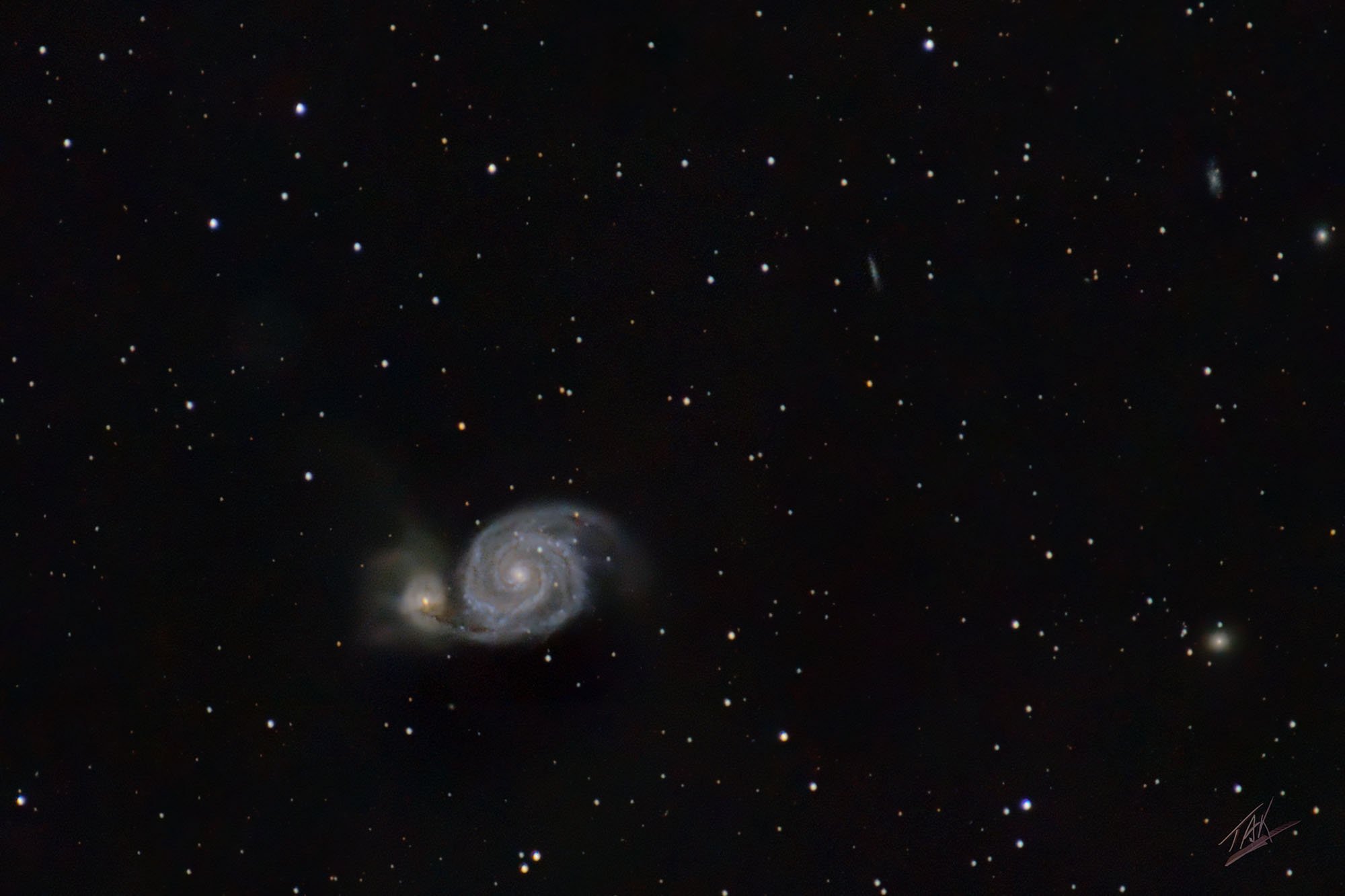
The Whirlpool Galaxy is catalogued as M51a as it is interacting with the smaller M51b. This relatively bright object was photographed with only 20 two-minute exposures using a Sony a6400 camera and Sony telephoto lens.
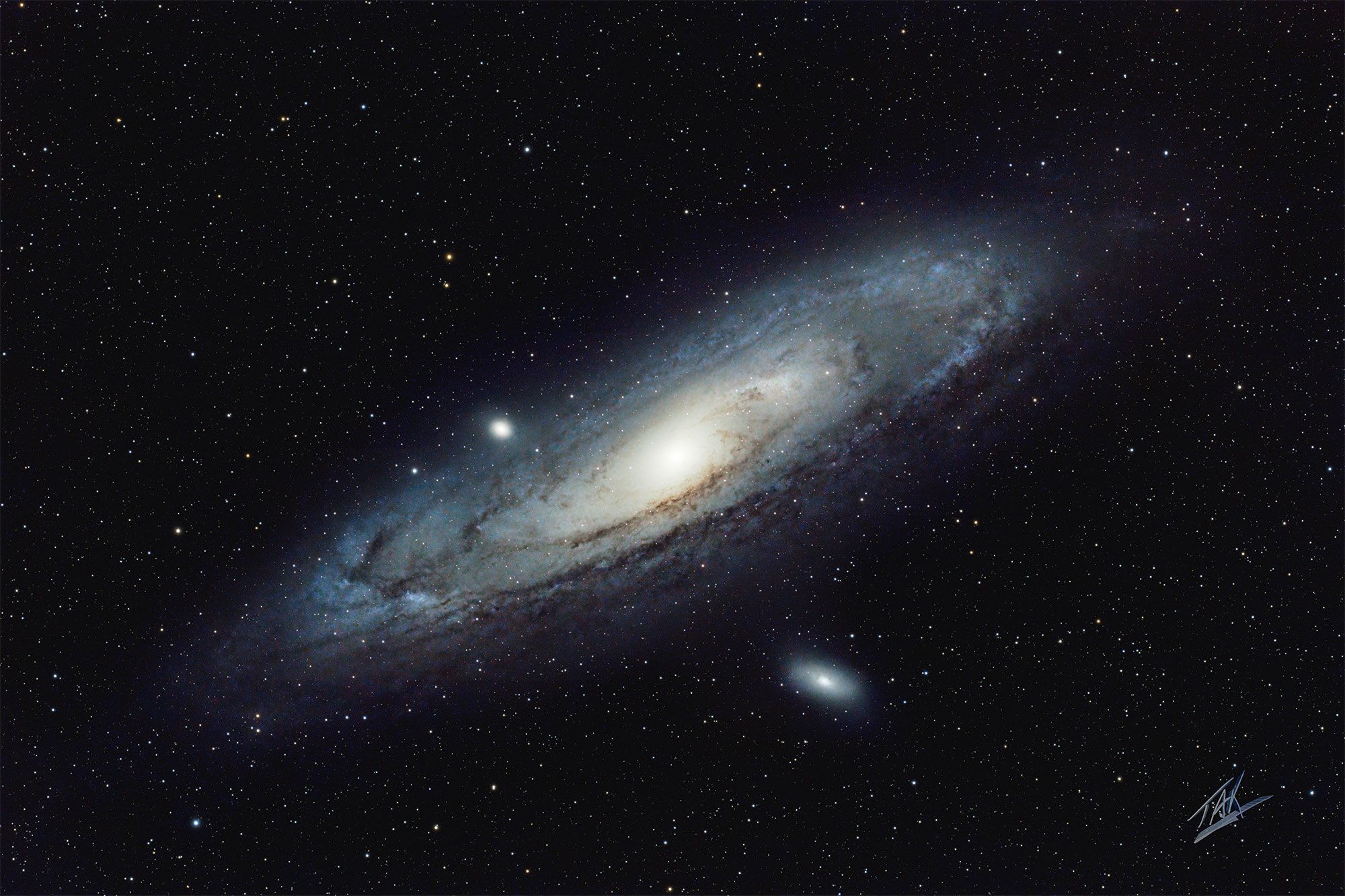
The Andromeda Galaxy is the closest galaxy to Earth. In dark skies it is visible to the naked eye. Referenced as Messier 31, it is said to have about a 50% chance of colliding with our Milky Way galaxy in the next 10 billion years. (Yikes!!) This is a relatively easy astrophotography target but to get this high quality image under metro Charlotte skies I took over 100 three-minute exposures.